
In the Mexican industry, from an automotive plant in the Bajío to a refinery on the Gulf coast, there is a common saying: "The cheap ends up expensive." And few mistakes are as costly as installing the wrong pipe or tank due to not knowing how to distinguish between grades of stainless steel.
At first glance, a 304 stainless steel pipe and a 316 one are identical. They have the same shine, the same weight, and often the same finish. However, confusing one for the other in a saline or chemical environment will result in catastrophic differences in the form of leaks, unplanned downtime, and skyrocketing maintenance costs.
At ZION NDT, we understand that the integrity of your assets is not a guessing game. That's why we have prepared this technical guide to help you understand what stainless steel you really need and, more importantly, how to be 100% sure of what you are installing.
The chemistry behind resistance
To choose the "best" steel, we must first understand that there is no universal solution. The "best" material entirely depends on your application and environment.
Stainless steel is, in essence, an alloy of iron with a minimum of 10.5% Chromium. This element is the silent hero that reacts with oxygen to form an invisible passive layer that protects the material from oxidation. However, depending on what else we add to the mix, the behavior of the metal changes radically.
The 3 steels that drive Mexico
Although there are dozens of grades, the national industry mainly revolves around three pillars:
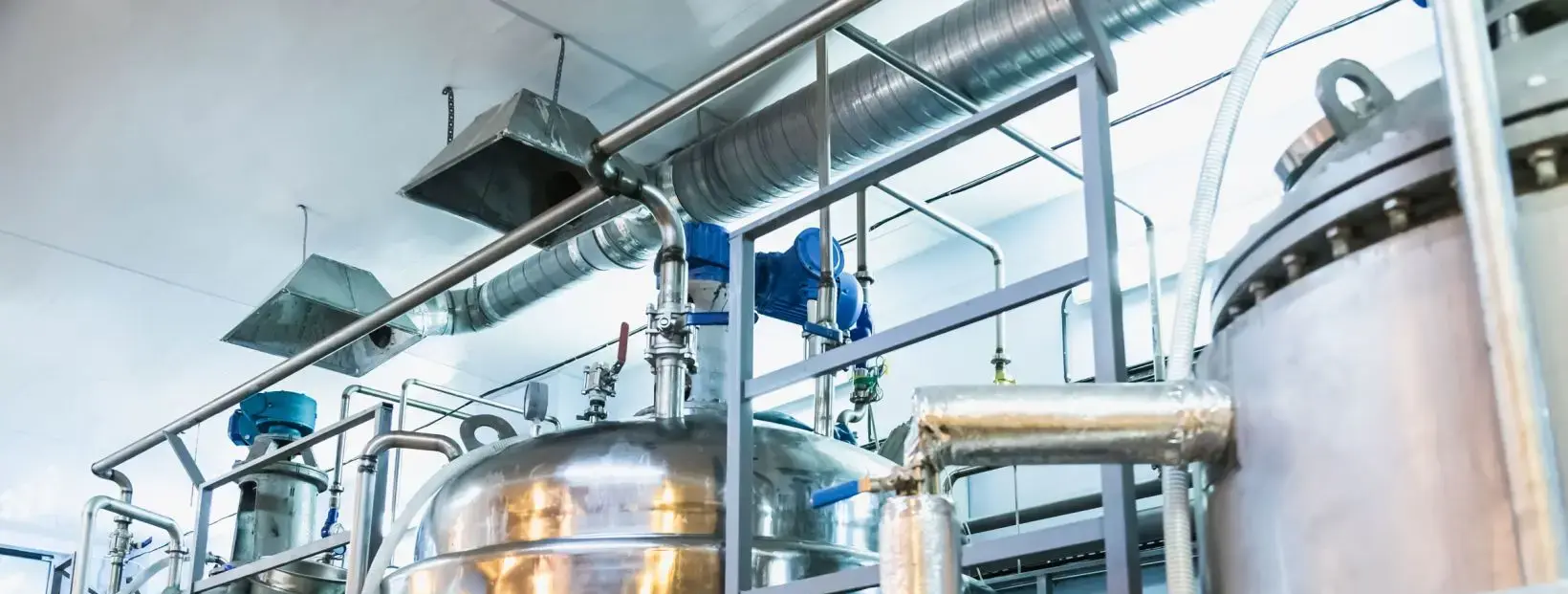
Austenitic (Series 300)
The leaders in resistance. TheGrade 304is the standard for controlled environments. TheGrade 316is the evolution: thanks to Molybdenum, it resists chlorides, salinity, and aggressive chemicals. If your plant is on the coast, 304 is not enough; you need 316.
Ferritic (Series 400)
The economical and magnetic option. TheGrade 430has good resistance indoors, but lacks the Nickel of the 300 series.Key fact:Unlike austenitics, these do attract magnets. Useful, but less durable in harsh environments.

Martensitic (Wear)
Designed for brute strength. Hardness and sharpness are prioritized over corrosion resistance. They are ideal for turbines, industrial cutlery, and areas of high physical wear. They are very strong mechanically, but require more care against rust.
Does the magnet work to identify stainless steel?
The magnet does stick toFerritic (Series 400), such as Grade 430, due to its lack of Nickel. While it is a quick test to distinguish them from austenitic(Series 300), this magnetism only confirms an economical option for interiors, not suitable for corrosive or harsh environments.
Why does steel fail?
Imagine a tequila plant in Jalisco. If the storage tanks are made of 304 stainless steel instead of 316L, the acidic environment of the process can cause pitting corrosion.
This type of corrosion is invisible. It does not appear like common red rust spread across the surface; they are tiny microscopic holes that penetrate deeply into the metal, perforating "healthy" tanks and pipes in a matter of months.
This is where Material Verification stops being a luxury and becomes an operational necessity.
How do we ensure quality without cutting a sample and taking it to the laboratory?
The answer is PMI technology (Positive Material Identification) using X-Ray Fluorescence (XRF), found in equipment such as Vanta portable analyzers.
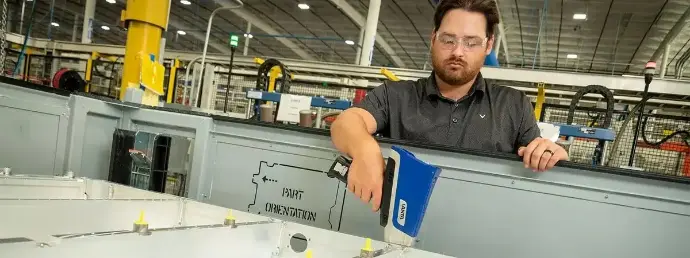
When pointing a Vanta analyzer at a pipe, the device emits X-rays that excite the metal atoms. As they "relax," each element (Chromium, Nickel, Molybdenum) emits a unique energy signature.
The team reads these signatures and, in seconds:
- Identify the present elements.
- Calculate the exact percentages.
- Compare with a standards library (ASTM, ASME, DIN).
- It shows you on screen with exact data in real time.
This technology allows Quality Managers and auditors to verify tons of material in the receiving yard or in already installed lines, without damaging the piece and in real time.
Master PMI analysis, without complicating things
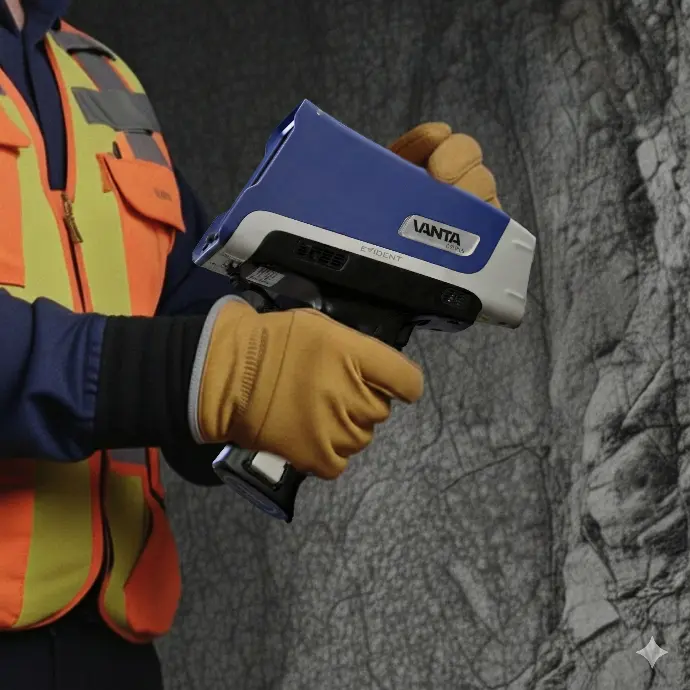
Bring the lab to your plant with the Vanta™ series. Check steel grades instantly, eliminate operational risks, and ensure the quality your customer demands with a single tool.
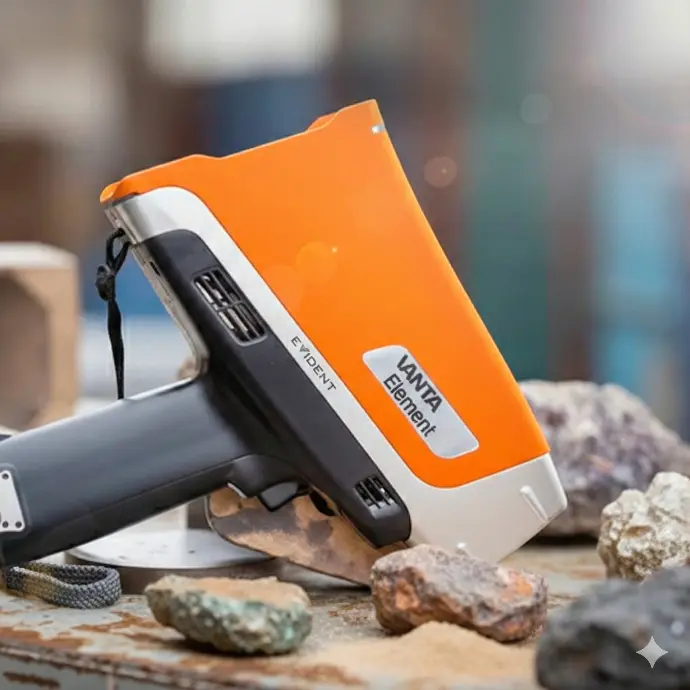
Technical Comparison
To facilitate your decision-making, we have created this comparison table based on real applications in Mexico:
| Inspection Scenario | Vanta™ Element | Vanta™ Core | Vanta™ Max |
| 304 vs 316 | Ideal. Instantly detects Molybdenum to separate scrap or mixed parts in the warehouse. | Excellent. Confirms the grade and separates common variants with high repeatability. | Superior. Analyzes the exact chemistry, ideal for audits of unknown materials. |
| Separation of "L" Grades (Low Carbon) | Basic. May require longer testing times for subtle differences (e.g. 316 vs 316L). | Efficient. Optimized to distinguish "L" grades thanks to its better sensitivity. | Ultra-Precise. Detects impurities and minimal traces that could affect weldability. |
| Light Elements (Mg, Al, Si, P, S) | Only the Element-S model detects light elements. The basic Element only reads heavy elements. | Native. Quickly detects Mg, Al, Si, P, and S. Crucial for complex alloys. | Maximum Power. The best sensitivity for phosphorus (P) and sulfur (S), critical in quality steels. |
| Identification Level | Rapid Classification (Pass/Fail) | Grade Verification (Reliable PMI) | Complete Chemical Analysis |
| ZION Recommendation | Use it for Recycling and Storage. To quickly and economically separate mixed pipe piles. | Use it for Refinery and Maintenance. The standard for certifying installed pipes (API 578). | Use it for Laboratory and Mining. When you need the complete "fingerprint" of the metal. |
Expert Advice
on Material Identification (PMI)
Corrosion does not wait, and inspection technology is rapidly advancing to prevent it. To ensure the integrity of your assets through precise configuration of XRF analyzers for the differentiation of stainless steels, Zion NDT is your strategic ally in Mexico.
If you have questions about compliance with regulations such asAPI RP 578or need to validate the quality of your materials upon receipt,contactand today with our specialistsliststo schedule a demonstration and obtain tailored solutions for your plant.
Frequently Asked Questions
- Can I use a magnet to know if my steel is of good quality? Not necessarily. Many believe that if the magnet doesn't stick, it's "good steel." However, both 304 and 316 stainless steel are non-magnetic, but they have very different chemical resistances. The magnet won't tell you if you have the necessary Molybdenum to resist chlorides. Only a PMI analysis with some XRF equipment like the Vanta™ from Evident can confirm that.
- What does the "L" mean in grades like 304L or 316L?The "L" stands for "Low Carbon." These grades have less carbon to prevent corrosion in welded areas. They are mandatory if you are going to weld critical pipes or tanks.
- Is the supplier's quality certificate (MTR) reliable?In an ideal world, yes. But in practice, human errors occur in warehouses and transportation. Material mixing is common. The only way to have "Clear Accounts" is to perform a counter-verification upon receiving material with an XRF device.
- How long does a material identification test take with Vanta equipment? It is extremely fast. To differentiate between a 304 and a 316 grade, the Vanta equipment from Olympus (Evident) provides accurate results in less than 3 seconds.
Related equipment
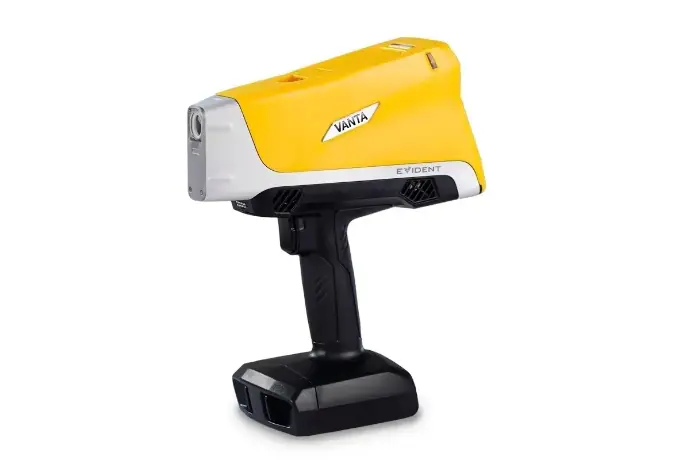
Vanta™ Max
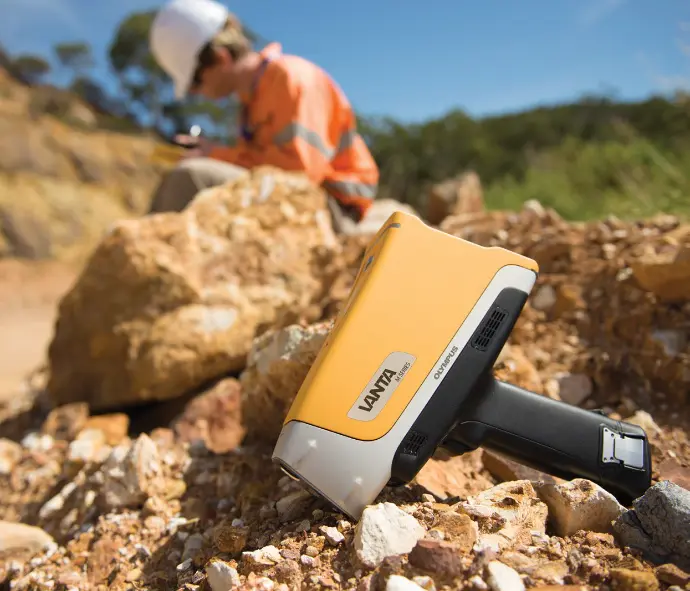
Maximum power for mining and the environment. Obtain geochemical data, rapid identification of elements and soil contaminants with laboratory precision anywhere.
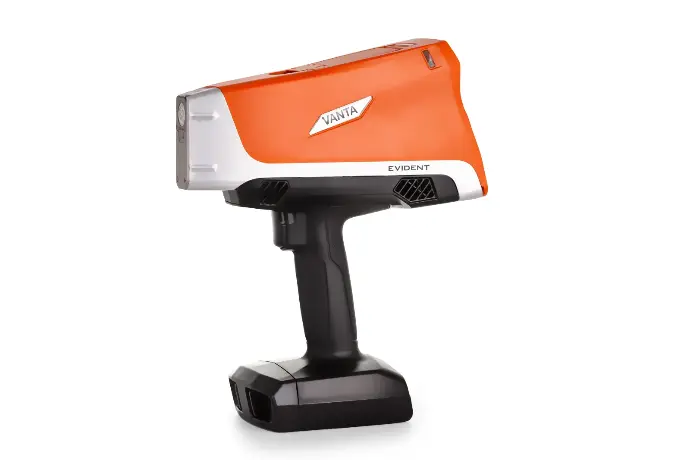
Vanta™ Element / Element-S
Cost-effective and fast scrap classification. The essential option for metal recycling. Choose the Element-S model to include light element detection.
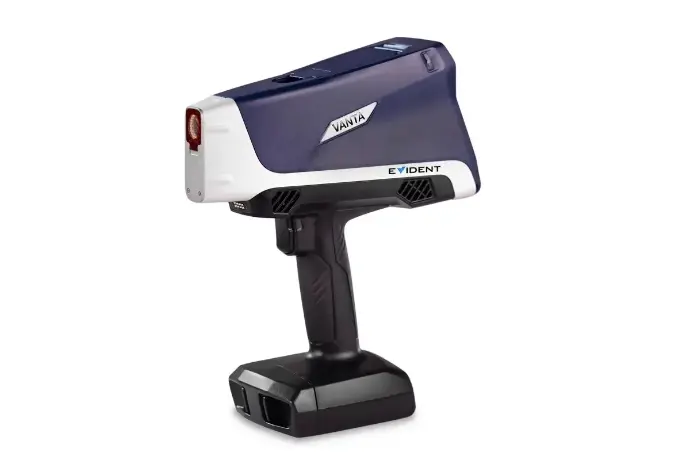
Vanta™ Core
The standard for PMI and industrial inspection. Superior speed and reliability to verify alloys in refineries, pipes, and manufacturing.